10 Quick Tips For Shipping Container Architecture
페이지 정보

본문
Shipping Container Architecture: A Creative, Sustainable Future
In the last few years, shipping container architecture has become an ingenious option to a variety of structure challenges. From domestic homes to commercial areas, these versatile structures use unique advantages that make them an attractive option for architects, home builders, and house owners alike. This blog site post explores the world of shipping container architecture, exploring its advantages, applications, and the future of this special structure trend.
What is Shipping Container Architecture?
Shipping container architecture includes the usage of repurposed shipping containers as the primary building product for constructing different structures. These steel containers are designed to hold up against the harsh conditions of sea travel, making them durable, strong, and sustainable alternatives for construction. By repurposing Intermodal Containers, designers and home builders can create innovative designs while lessening waste and promoting ecological sustainability.
Advantages of Shipping Container Architecture
Shipping container architecture uses a number of benefits that make it an enticing choice for a large range of projects. Below is a table summing up the key benefits:
| Advantage | Description |
|---|---|
| Sustainability | Repurposing containers reduces waste and promotes recycling. |
| Cost-effectiveness | Shipping containers are typically more affordable than traditional building products. |
| Resilience | Containers are developed to withstand severe weather and misuse. |
| Modularity | Containers can be quickly stacked or reorganized to develop customized areas. |
| Quick assembly | Construction utilizing containers can be completed much faster than traditional approaches. |
| Mobility | Container structures can be relocated with relative ease. |
Sustainability
One of the most engaging arguments for shipping container architecture is its sustainability. By repurposing existing products, contractors can considerably decrease the ecological effect usually related to new construction. This aligns with the growing need for environment-friendly structure practices.
Cost-Effectiveness
Shipping containers are typically more economical than traditional structure products. This cost-effectiveness is particularly appealing for start-ups, small companies, and individuals looking to develop on a budget.
Sturdiness
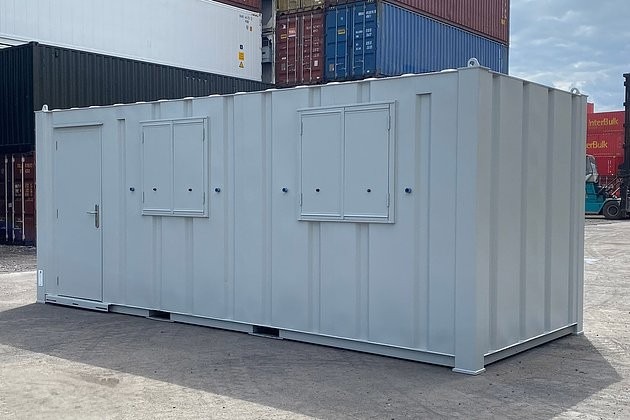
Developed to withstand the rigors of maritime transport, shipping containers are exceptionally strong and resistant to various ecological conditions. This durability makes them suitable for varied environments and areas.
Modularity
The modular nature of shipping containers allows for innovative and versatile designs. Designers can quickly stack and organize containers to develop distinct layouts customized to specific needs.
Quick Assembly
Construction using shipping containers can often be completed in a portion of the time required for conventional structure approaches. This fast assembly can use significant savings on labor expenses.
Movement
One of the considerable benefits of container architecture is its intrinsic mobility. Structures can be transferred and moved with relative ease, making them appropriate for momentary or mobile applications.
Applications of Shipping Container Architecture
Shipping containers can be used in a range of applications, including but not limited to:
1. Residential Homes
Numerous architects and house owners are exploring shipping containers as a viable choice for affordable housing. The modular design enables unique customization, while the sustainability element attract environmentally conscious buyers.
2. Commercial Spaces
From pop-up stores to permanent retail outlets, shipping containers can be changed into attractive commercial areas. Their mobility allows businesses to relocate based on demand or seasonal trends.
3. Offices
As remote work becomes more common, container offices have acquired appeal. They provide a cost-efficient solution for little services or freelance specialists looking for personalized office.
4. Neighborhood Projects
Shipping containers have actually been successfully used in community jobs, such as schools, health care facilities, and recreation center. These structures can be quickly deployed to deal with urgent needs in underserved areas.
5. Art Installations
Artists and designers are increasingly using shipping containers for imaginative setups and exhibitions. Their special shapes can act as a canvas for ingenious design.
The Future of Shipping Container Architecture
The future of shipping container architecture looks promising, with numerous trends emerging:
1. Increased Customization
As more contractors embrace container architecture, customized styles will become increasingly prevalent. Advanced innovations, such as 3D printing and digital modeling, will make it possible for architects to press the borders of what is possible with container construction.
2. Combination of Smart Technologies
The integration of smart innovations will likely end up being a staple in shipping container architecture. From energy-efficient systems to automated home management, these technologies can improve convenience and sustainability.
3. Greater Focus on Sustainable Practices
As the international community continues to come to grips with environment change, shipping container architecture provides a prospective service. Home builders and designers will significantly concentrate on incorporating sustainable practices into their designs, broadening the appeal of container-based structures.
4. Urban Development
With urban areas facing a housing crisis, shipping containers might provide a creative answer to inexpensive living in cities. Container housing advancements might become more common as local governments seek ingenious solutions to housing scarcities.
Often Asked Questions (FAQ)
Q: Are shipping container homes safe to live in?A: Yes, Shipping Container Homes (click through the following web page) can be safe to live in when correctly designed and constructed. It is vital to ensure that ventilation, insulation, and structural integrity are factored into the design. Q: How long do shipping containers last?A: When kept properly, Shipping Container Manufacturers containers can last for years. They are made from durable materials designed to stand up to harsh conditions. Q: Can shipping containers be insulated?A: Yes, shipping containers can be insulated efficiently utilizing numerous methods, such as
spray foam, stiff board insulation, or blanket insulation. Q: What are the zoning policies for shipping container structures?A: Zoning guidelines for shipping container structures differ commonly by area. It is essential to talk to
local authorities to understand the guidelines and obtain necessary licenses. Q
: Can I finance a shipping container home?A: Many financial organizations now offer loans and funding options for shipping container homes. It's advisable to shop around and talk to lending institutions who recognize with this kind of home. Shipping Container Construction container architecture has sculpted out an unique niche in the construction market, mixing sustainability, cost-effectiveness, and creativity. As more designers and builders explore the possibilities of this innovative method, it
is most likely that shipping container structures will become a significantly common sight in urban and rural landscapes alike. With an eye towards the future and a dedication to sustainable practices, High Cube Shipping Containers container architecture provides an exciting opportunity for improving the way we think about structure.
- 이전글What's The Current Job Market For Ielts Online Exam Pakistan Professionals Like? 26.04.20
- 다음글Guide To Ielts Uzbekistan Practice Material: The Intermediate Guide On Ielts Uzbekistan Practice Material 26.04.20
댓글목록
등록된 댓글이 없습니다.