10 Things That Your Family Teach You About Shipping A 20 Foot Containe…
페이지 정보

본문
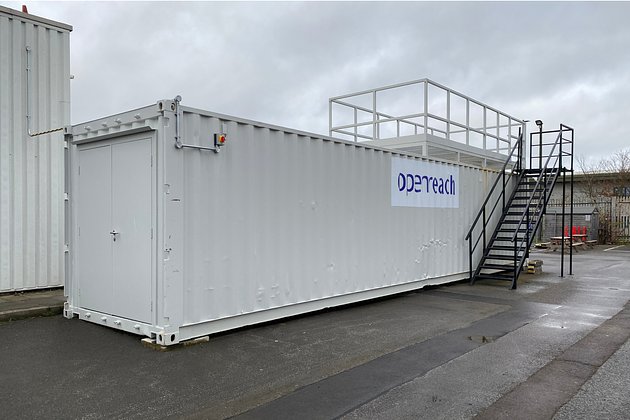
Shipping a 20-Foot Container: A Comprehensive Guide
Shipping items across international borders is a complex but essential element of global trade, and one requirement approach for transporting a considerable volume of products is through shipping containers. Amongst different container sizes, the 20-foot container (also understood as TEU or Twenty Foot Container-foot Equivalent Unit) stands apart for its performance and flexibility. This guide aims to provide a comprehensive viewpoint on shipping a 20-foot container, talking about essential considerations, procedures involved, and essential details for anyone looking to utilize this method.
Understanding the 20-Foot Container
Before diving into the logistics of shipping a 20-foot container, it is vital to understand its specs:
| Specification | Measurement |
|---|---|
| External Length | 20 Foot Container (full report) feet (6.058 m) |
| External Width | 8 feet (2.438 m) |
| External Height | 8.5 feet (2.591 m) |
| Internal Length | 19.4 feet (5.898 m) |
| Internal Width | 7.7 feet (2.352 m) |
| Internal Height | 7.9 feet (2.385 m) |
| Maximum Load Capacity | 55,126 pounds (25,000 kg) |
| Volume | 1,172 cubic feet (33.2 cubic meters) |
This standardized container is created to enhance area and loading efficiency while securing the cargo during transit. Frequently used in both maritime and roadway transport, the 20-foot container can accommodate numerous items, from electronic devices to fabrics, making it a favored option for lots of businesses.
Key Considerations for Shipping a 20-Foot Container
When considering shipping a 20-foot container, several aspects should be considered:
1. Destination and Regulations
The location of the shipment plays a substantial function in figuring out shipping paths, expenses, and regulative considerations. Countries have their special import/export policies, tariffs, and compliance requirements. It's crucial to research these in advance to avoid unexpected hold-ups or costs.
2. Mode of Transport
Shipping containers can be carried through numerous modes, including:
- Ocean Freight: The most economical technique for global shipping.
- Rail Freight: Suitable for landlocked nations or regions with rail connection.
- Road Freight: Ideal for shorter ranges or final mile shipment.
3. Type of Cargo
Comprehending the nature of the cargo you are shipping is important. Different kinds of cargo might have particular requirements:
- Dry Cargo: Standard goods that do not require special handling.
- Refrigerated Cargo: Perishable goods that need temperature control.
- Hazardous Materials: Require special containers and managing due to policies.
4. Packaging
Appropriate packaging of products is important to guarantee they stay intact throughout shipping. Elements to consider include:
- Weight circulation
- Ocean, road, or rail vulnerabilities
- Kind of cargo being carried
5. Insurance coverage
Container shipping involves inherent dangers, including damage or loss of cargo. Buying cargo insurance can secure versus monetary losses due to unforeseen events.
6. Expenses Involved
Comprehending the complete expense structure for shipping a 20-foot container is vital. These consist of:
| Cost Component | Description |
|---|---|
| Freight Charges | Expense of carrying the container. |
| Terminal Handling Fees | Charges for loading/unloading at ports. |
| Customs Duties and Taxes | Taxes imposed at the location port. |
| Container Deposit Fee | Refundable deposit for utilizing the container. |
| Insurance coverage | Security versus cargo loss/damage. |
Process of Shipping a 20-Foot Container
1. Scheduling the Shipment
The procedure begins with scheduling the delivery through a freight forwarder or shipping line. Considerations during reserving consist of picking the right shipping schedule and routing.
2. Preparing the Cargo
As soon as scheduled, the next action is preparing the cargo. This includes loading the items, labeling, and making sure all products abide by worldwide shipping policies.
3. Documentation
Precise documents is vital in global shipping. Key documents include:
- Bill of Lading
- Business Invoice
- Loading List
- Export/Import Permits (if applicable)
4. Customs Clearance
Before shipping, the cargo must clear custom-mades. Any required responsibilities and taxes ought to be paid at this point. It's recommended to work together with a custom-mades broker for smooth clearance.
5. Container Loading
Packing the container correctly is vital. It should be well balanced, and the cargo must be secured to avoid movement throughout transit.
6. Delivery Tracking
A lot of freight business use tracking services, permitting shippers to monitor their container throughout the shipping process.
7. Arrival and Unloading
Upon reaching the location port, the container typically undergoes custom-mades clearance before it's provided to the customer or consignee.
Regularly Asked Questions
Q1: How much does it cost to ship a 20 Feet Container-foot container?The cost varies
based on location, cargo type, and extra services like insurance. Typically, shipping costs may vary from ₤ 1,000 to ₤ 3,000.
Q2: What can fit in a 20-foot container?A 20-foot container can
hold around 25-28 standard pallets or about 10-12 lots of cargo, depending upon the product packaging and weight circulation. Q3: How long does Buy Shipping Container 20ft usually
take?Shipping times differ considerably. For instance, transoceanic paths might take 20 to 40 days, while domestic transport can take just 3 to 7 days. Q4: Can I ship hazardous products in a 20-foot container?Yes, but specific regulations and packaging
requirements should be followed. It's essential to inform the freight business about the nature of the cargo. Shipping a 20 Foot Container Size-foot container includes many actions and factors to consider, however with extensive preparation and the ideal company, the
process can be smooth and effective. By understanding the logistics, costs, and policies, organizations can successfully manage their shipping requirements and guarantee their cargo reaches its location securely and on time. Engaging the proficiency of freight forwarders and customs brokers can even more simplify the process, permitting shippers to concentrate on their core operations. In the world of worldwide commerce, a well-managed container shipment can make a substantial distinction in expanding businesses beyond borders.
- 이전글8 Days To A greater Poker Real Money 26.04.08
- 다음글15 Current Trends To Watch For TCF Certificate Cost 26.04.08
댓글목록
등록된 댓글이 없습니다.