The 9 Things Your Parents Teach You About Top Guttering
페이지 정보

본문
The Ultimate Guide to Top Guttering: Choosing the very best Options for Your Home
Guttering might not be the most glamorous element of home maintenance, but it plays an important role in safeguarding your home from water damage. A well-functioning gutter system channels rainwater away from your home's structure, avoiding issues like flooding, erosion, and mold. With so numerous options readily available, selecting the best guttering system can be a difficult job. In this guide, we will explore the Top Guttering (Graph.Org) systems readily available, the products used, maintenance pointers, and responses to often asked concerns.
Types of Guttering Systems
Guttering systems can be found in different designs and products, each with its own advantages and downsides. Below is an extensive table detailing the most typical guttering systems utilized in houses.
| Gutter Type | Product | Pros | Cons |
|---|---|---|---|
| K-Style | Vinyl, Aluminum, Steel | Visual appeal, big capability, easy installation | Can be prone to blocking |
| Half-Round | Copper, Aluminum | Stylish appearance, great for historical homes | More pricey, less water capability |
| Box Gutter | Aluminum, Steel | High capability, ideal for flat roofing systems | May need professional installation |
| Seamless Gutter Experts | Aluminum, Vinyl | Custom-fit, less susceptible to leaks | Initial cost is higher, needs unique tools |
| Foam Gutter Protection | Foam | Light-weight, simple to install | Not as long lasting, restricted color options |
1. K-Style Gutters
K-style gutters are among the most popular options for modern homes. They resemble the letter "K" in profile and have a flat bottom with a decorative front. Made from materials like vinyl, aluminum, or steel, they are understood for their capability to deal with considerable quantities of rainwater.
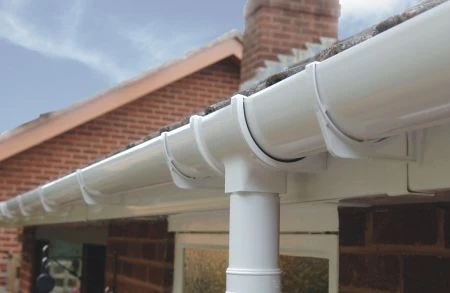
2. Half-Round Gutters
Half-round gutters have a semicircular shape and are generally used in older homes. Their classic style includes appeal to a home's exterior. They are typically made from copper, which establishes a stunning patina over time, giving an unique character.
3. Box Gutters
Box gutters are generally installed in commercial buildings but can likewise be found in residential settings, particularly on flat roofs. Their style allows them to handle a big volume of water, making them ideal for areas with heavy rains.
4. Seamless Gutters
Seamless gutters are made from a single piece of material, which lowers the possibility of leakages. They are custom-fit to your home, ensuring an ideal installation. However, they might require professional installation and can be more costly upfront.
5. Foam Gutters
Foam gutters are a fairly new development, made from lightweight foam products. They are simple to install and usually extremely affordable, but they might not provide the toughness needed for homes in extreme weather conditions.
Aspects to Consider When Choosing Guttering
Selecting the right guttering system goes beyond style and aesthetics. Here are crucial factors to think about:
1. Climate
The kind of weather condition your area experiences need to substantially influence your option of guttering. For example, homes in areas with heavy rains may gain from larger-capacity alternatives like box gutters.
2. Roof Pitch
The pitch of your roof will also impact Gutter Specialists performance. Steeper roofing systems may need gutters that can manage bigger volumes of water.
3. Maintenance Requirements
Particular materials require more maintenance than others. For instance, copper gutters may need routine polishing, whereas aluminum is generally low maintenance.
4. Spending plan
Guttering systems can differ commonly in cost. Comprehending your budget plan will help limit your choices efficiently.
Maintenance Tips for Guttering Systems
Proper maintenance can extend the life expectancy of your guttering system. Here are some necessary tips:
- Regular Cleaning: Clean Rain Gutters at least two times a year. Get rid of debris that can cause clogs.
- Examine for Damage: Regularly look for indications of wear and tear, such as rust or loose fittings.
- Examine Alignment: Ensure that gutters are properly aligned to facilitate water flow towards downspouts.
- Install Gutter Guards: Consider installing gutter guards to keep debris out and reduce cleaning frequency.
- Look for Leaks: Look for any leaks or drips during rainstorms, as these can suggest an issue.
FAQ About Guttering Systems
Q1: How often ought to gutters be cleaned?A1: It is suggested to tidy gutters a minimum of twice a year, ideally in spring and fall. Nevertheless, if you reside in a location with many trees, you may require to clean them more frequently. Q2: Can I set up gutters myself?A2: While some types of gutters(like foam gutters )are simpler to set up, most property owners will take advantage of professional installation, especially for seamless gutters and box gutters. Q3: What are the signs that my gutters need replacing?A3: Signs consist of frequent clogging, sagging gutters,
rust or paint peeling, and water pooling near your structure
. Q4: Are seamless gutters worth the investment?A4: Yes, seamless gutters are usually worth the investment as they considerably reduce the possibilities of leaksand can boost your home's curb appeal. Choosing the ideal guttering system for your home does not need to be overwhelming. Comprehending the various types of gutters, considering your particular needs, and performing regular maintenance will
assist guarantee that your home remains protected from water damage. Whether you choose the traditional appeal of half-round gutters or the effectiveness of seamless systems, investing time and thought into your Local Guttering choice is a vital step in securing your home. With this guide, you are now geared up with the knowledge to make an informed choice tailored to your requirements.
- 이전글The Most Effective Reasons For People To Succeed In The Audi Key Fob Industry 26.04.06
- 다음글What's The Job Market For House Window Installers Professionals? 26.04.06
댓글목록
등록된 댓글이 없습니다.