The 10 Most Terrifying Things About Wheelchair Ramp Portable
페이지 정보

본문
Exploring Portable Wheelchair Ramps: A Comprehensive Guide
In a world where availability and mobility are paramount, portable wheelchair Ramps For Wheelchair have become important tools for people with mobility challenges. These ramps use a practical option for browsing numerous environments, whether at home, in public areas, or during travel. This post explores the features, advantages, types, and considerations when picking a portable wheelchair ramp, together with an often asked questions section to illuminate typical questions.
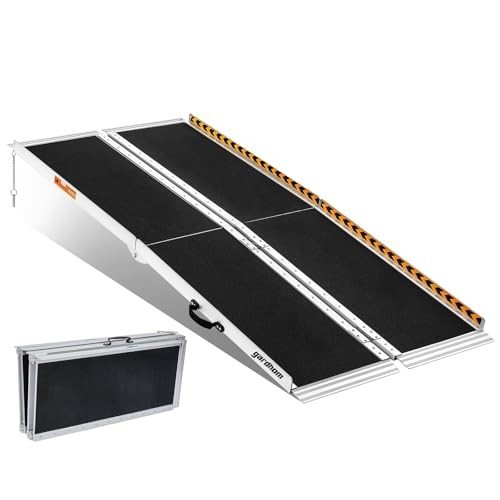
What is a Portable Wheelchair Ramp?
A portable wheelchair ramp is a lightweight, frequently foldable structure designed to provide easy access over stairs, curbs, and other elevation changes. Unlike irreversible Ramps For Wheelchair, portable variations can be easily transferred and set up in numerous areas, making them ideal for those who need temporary accessibility services.
Key Features of Portable Wheelchair Ramps
- Lightweight Construction: Typically made from materials like aluminum, a portable ramp is developed for easy transportation.
- Foldable Design: Many designs can be folded in half or thirds, conserving space when stored or brought.
- Slip-Resistant Surface: Most ramps include textured surfaces to avoid slipping, ensuring user security during usage.
- Adjustable Length: Some ramps come with adjustable legs or extended areas, enabling modification based upon the height of the elevation to be browsed.
- Weight Capacity: A range of ramps are available with different weight capabilities to accommodate numerous users and their devices.
Advantages of Using Portable Wheelchair Ramps
- Increased Independence: Portable ramps empower users, enabling them to browse environments without needing assistance.
- Versatility: They can be utilized in numerous settings-- homes, lorries, public locations-- making them exceptionally flexible.
- Economical: Compared to constructing permanent ramps, portable choices can be a more budget friendly option to meet accessibility requirements.
- Convenience: The lightweight and foldable nature of these ramps permits users to carry them easily in automobiles or save them in tight areas when not in use.
Kinds Of Portable Wheelchair Ramps
Below is a relative table outlining different types of portable wheelchair ramps:
| Ramp Type | Description | Pros | Cons |
|---|---|---|---|
| Folding Ramps | Can be folded in half or thirds for transport. | Compact size, simple to carry. | May require a little setup time. |
| Single Fold Ramps | Lightweight, single-fold design ideal for portable usage. | Basic design, lightweight. | Limited length choices. |
| Multi-Fold Ramps | Fold into smaller sizes for simple transportation. | Excellent for higher elevations. | Can be bulkier when totally opened. |
| Telescoping Ramps | Adjustable length; can extend based on needs. | Personalized length. | More pricey than static ramps. |
| Wheelchair Van Ramps | Developed specifically for vehicles. | Practical for automobile access. | Can have restricted use elsewhere. |
Factors to Consider When Choosing a Portable Ramp
When choosing a portable wheelchair ramp, think about the following factors:
- Height of Elevation: Measure the height of the stairs or curb the ramp needs to browse.
- Ramp Length: The longer the ramp, the easier the slope will be to navigate. Make sure to follow the recommended slope ratio, ideally 1:12 for wheelchairs.
- Weight Capacity: Ensure the ramp can support the user and any devices, such as a powered wheelchair.
- Mobility: Look for ramps that are simple to fold and carry.
- Material: Choose lightweight however resilient materials. Aluminum is popular for its strength and rust resistance.
- Surface area Texture: Ensure the ramp has a non-slip surface area for user security, especially in damp conditions.
Regularly Asked Questions (FAQ)
1. What is the advised slope for Wheelchair Ramp Portable (your domain name) ramps?
The ADA (Americans with Disabilities Act) recommends a slope of 1:12 for long-term ramps, which suggests for each inch of vertical increase, there need to be at least 12 inches of ramp run.
2. Can portable ramps accommodate powered wheelchairs?
Yes, however it's important to confirm that the ramp has a weight capacity that meets or exceeds the total weight of the powered wheelchair and its user.
3. Are portable wheelchair ramps safe?
When utilized according to the producer's specs and standards, portable ramps are typically safe. It's essential to choose ramps with non-slip surface areas and guarantee they are securely positioned.
4. Can I use a portable ramp for different locations?
Absolutely! Among the main benefits of portable ramps is their ability to be used in multiple areas, whether at home, in lorries, or in public spaces.
5. What maintenance do portable ramps need?
Routinely examine the ramp for any indications of wear and tear, clean up the surface area to keep grip (particularly after rain), and make sure all moving parts operate correctly.
Portable wheelchair ramps play an important role in enhancing ease of access and self-reliance for those with mobility obstacles. Their lightweight and foldable designs enable users to browse stairs, curbs, and other barriers with ease. By thinking about the aspects laid out above and understanding the various types available, users can pick the best ramp to suit their needs. With the ideal portable Aluminium Wheelchair Ramp ramp, people can restore confidence in their mobility, making everyday jobs much easier and more pleasurable.
- 이전글24약국 비닉스 필름 사용 효과 확인 26.03.31
- 다음글9 Lessons Your Parents Taught You About Door Panel Installation Services 26.03.31
댓글목록
등록된 댓글이 없습니다.