Guide To Wheel Chair Ramp: The Intermediate Guide Towards Wheel Chair …
페이지 정보

본문
Understanding Wheelchair Ramps: A Comprehensive Guide
In today's world, ease of access is not simply a legal requirement but a basic aspect of coping with self-respect and independence. Amongst the essential components assisting in access for those with mobility obstacles is the Aluminium Wheelchair Ramp ramp. This important structure can be found in different locations, consisting of homes, public structures, and parks. This post will take a deep dive into the types of wheelchair ramps, their advantages, setup factors to consider, and maintenance.
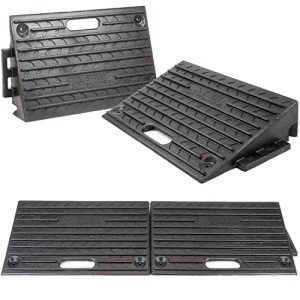
What is a Wheelchair Ramp?
A wheelchair ramp is a sloped surface area or structure that allows individuals who utilize wheelchairs, scooters, or other mobility gadgets to navigate physical barriers such as steps, curbs, and even irregular terrain. The primary objective of a Wheelchair Loading Ramps ramp is to provide a seamless shift from one level to another, eventually promoting self-reliance for individuals with mobility obstacles.
Types of Wheelchair Ramps
Wheelchair ramps can be found in numerous styles, each designed for specific requirements and environments. The following table summarizes frequently used types of Folding Ramps For Wheelchairs:
| Type of Ramp | Description | Best Use Cases |
|---|---|---|
| Irreversible Ramps | Developed into the structure utilizing wood, concrete, or metal | Homes, industrial structures, public facilities |
| Portable Ramps | Lightweight and foldable, frequently made from aluminum | Temporary requirements, travel, and events |
| Limit Ramps | Small ramps created for doorways and shifts | Houses, little steps, and doors |
| Modular Ramps | Pre-fabricated sections that can be put together and customized | Long-lasting accessibility services |
| Wheelchair Lifts | Vertical platform lifts set up in small areas | Tight spaces, multi-story buildings |
Benefits of Wheelchair Ramps
Purchasing wheelchair ramps offers numerous benefits, not just for the user however likewise for society as a whole. Consider the following advantages:
Independence: Ramps empower individuals with mobility difficulties to access their environments easily without relying on others for support.
Safety: Properly created ramps lower the risk of accidents and injuries that may accompany stairs and uneven surfaces.
Increased Accessibility: Wheelchair ramps make areas like companies, parks, and homes more accessible to everyone, including individuals with temporary disabilities, parents with strollers, and senior individuals.
Improved Quality of Life: Accessible areas contribute to social addition, improving the general quality of life for people with mobility concerns.
Compliance with Laws and Regulations: Installing ramps guarantees compliance with the Americans with Disabilities Act (ADA) and other local accessibility laws.
Installation Considerations
Developing a wheelchair ramp requires cautious preparation and execution. Below is a list of important aspects to consider:
Slope Ratio: The recommended slope for wheelchair ramps is 1:12 (for every inch of vertical rise, there ought to be at least 12 inches of ramp length). A steeper slope can be dangerous for users.
Products: Choose suitable materials based upon the type of Disability Ramp you need. Choices include treated wood, aluminum, and concrete, each having its benefits and drawbacks.
Width: A ramp ought to be at least 36 inches broad to accommodate a typical wheelchair conveniently.
Landing Areas: Level landings are required at the top and bottom of the ramp, enabling users to maneuver safely.
Surface Texture: The ramp's surface area should supply sufficient grip, particularly in rainy or snowy weather condition.
Regional Codes and Permits: Check local policies regarding Wheel Chair Ramp (Gitea.Css-Sistemas.Com.Br) setups, as licenses might be required.
Maintenance of Wheelchair Ramps
To make sure a wheelchair ramp remains safe and practical, regular upkeep is required. Consider the following ideas for maintenance:
Check for Wear and Tear: Periodically examine the ramp for indications of damage, such as cracks, broken boards, or rust.
Keep Clean: Remove debris, snow, and ice to keep a safe surface.
Repair work Promptly: Fix any damage right away to avoid accidents.
Enhance if Needed: As the ramp ages, consider strengthening locations that might need additional support.
Regularly Asked Questions (FAQs)
1. Do I require a license to install a wheelchair ramp?
While standards can differ based upon your area, it's constantly best practice to examine local structure codes and get an authorization if needed.
2. What is the maximum slope for a wheelchair ramp?
The ADA recommends a maximum slope of 1:12 for wheelchair ramps. For much shorter ramps (less than 30 inches increase), a slope of 1:10 is acceptable.
3. How large should a wheelchair ramp be?
A standard wheelchair ramp need to be at least 36 inches wide.
4. Are portable ramps safe?
Yes, as long as they are constructed properly and utilized according to the maker's standards. Always guarantee they are stable before use.
5. What materials are best for wheelchair ramps?
Typical materials consist of dealt with wood, aluminum, and concrete. The choice depends upon the ramp's planned usage and budget.
6. Can wheelchair ramps be set up indoors?
Yes, wheelchair ramps can be installed indoors, particularly in multi-story buildings or homes with steps.
Wheelchair ramps play a vital role in assisting in access and promoting self-reliance for individuals with mobility obstacles. Their advantages extend beyond the private to improve neighborhood inclusiveness and safety. Understanding the various kinds of ramps, installation factors to consider, and the importance of upkeep can empower people and caregivers to make informed decisions. Whether you are thinking about setting up a ramp at your home, workplace, or any communal area, buying ease of access is an action towards a more inclusive society.
- 이전글The 9 Things Your Parents Taught You About Cooker Hoods Uk 26.03.30
- 다음글Cool Edit Pro 2.1 Full Tam Sürüm + Crack 26.03.30
댓글목록
등록된 댓글이 없습니다.