25 Unexpected Facts About Counterfeit German Banknotes
페이지 정보

본문
Understanding Counterfeit German Banknotes: Trends, Detection, and Prevention
In a significantly cashless society, the importance of physical currency may appear reduced. Nevertheless, counterfeit banknotes stay a substantial obstacle for economies around the globe, including Germany. The sophistication of counterfeiters continues to evolve, rendering numerous standard security procedures inefficient. This post intends to clarify the frequency of counterfeit German banknotes, the methods of detection, and suggestions for avoidance.
The Landscape of Counterfeit Banknotes in Germany
Germany has an enduring reputation for financial stability, especially since embracing the Euro in 2002. Nonetheless, the existence of counterfeit currency threatens this stability. It is necessary to understand the prevalence of this issue to appreciate its implications.
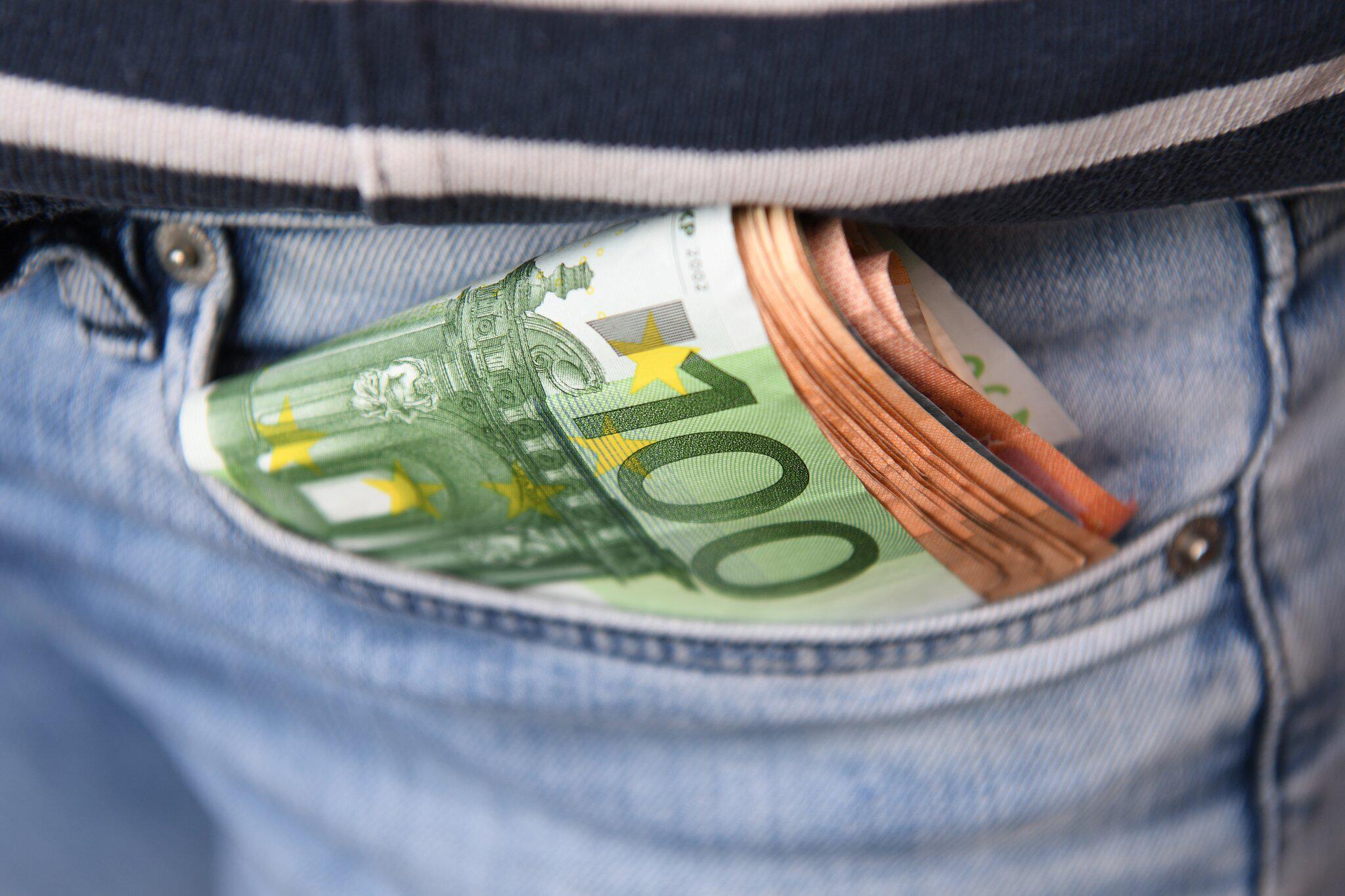
Table 1: Counterfeit Euro Banknotes Detected in Germany (2019-2023)
| Year | Counterfeit Banknotes Detected | A Lot Of Counterfeited Denomination |
|---|---|---|
| 2019 | 25,000 | EUR20 |
| 2020 | 22,000 | EUR50 |
| 2021 | 18,000 | EUR100 |
| 2022 | 15,000 | EUR20 |
| 2023 | 13,500 | EUR50 |
From the information provided, it is evident that there has been a steady decline in the number of counterfeit notes found, but the problem stays significant. The EUR20 and EUR50 denominations are the most typically targeted, likely due to their prevalent usage in daily transactions.
Techniques Used by Counterfeiters
Counterfeiters utilize different approaches to produce phony currency, typically utilizing sophisticated innovation to imitate real banknotes convincingly. A few of the most typical techniques include:
Digital Printing: High-resolution printers can produce counterfeit notes that visually look like genuine currency.
Offset Printing: This approach utilizes pre-printed styles to produce banknotes with a high level of detail and color precision.
Photocopying: Some counterfeiters use scanners and printers to replicate existing currency, often stopping working to reproduce innovative security functions.
3D Printing: An emerging approach, 3D printing can reproduce the texture and feel of banknotes, making it harder to find phonies.
Table 2: Counterfeit Detection Techniques
| Detection Method | Description | Effectiveness |
|---|---|---|
| UV Light | Exposes security features visible under UV light | High |
| Watermark Inspection | Looking for watermarks embedded in the paper | Moderate to High |
| Magnification | Utilizing a loupe or magnifying glass to take a look at information | Moderate |
| Hologram Verification | Checking for movement in holographic spots | High |
| Smart device Apps | Using innovation to identify counterfeit notes | Increasing |
While counterfeiting methods have become advanced, so too have the techniques of detection. Police, banks, and services are continuously adapting to identify fake banknotes.
How to Identify Counterfeit German Banknotes
For people and companies alike, understanding how to spot counterfeit banknotes is important. Here are some effective techniques:
Feel the Paper: Authentic Euro banknotes are made from a special cotton paper that has a distinct feel. Counterfeit notes may feel different, frequently being too smooth or too rough.
Check the Watermark: Hold the banknote approximately the light to inspect the watermark, which should show up on both sides of the banknote.
Search for the Security Thread: A security thread runs vertically through the banknote and is usually embedded within the paper.
Examine the Hologram: The EUR5, EUR10, EUR20, EUR50, EUR100, EUR200, and EUR500 banknotes include a holograph that alters when tilted.
Usage UV Light: Genuine banknotes have functions that are only visible under ultraviolet light, making this a convenient tool for detection.
Table 3: Security Features of Euro Banknotes
| Denomination | Watermark | Security Thread | Hologram |
|---|---|---|---|
| EUR5 | Portrait of Europa | Vertical thread | Modifications with angle |
| EUR10 | Picture of Europa | Vertical thread | Modifications with angle |
| EUR20 | Picture of Europa | Vertical thread | Modifications with angle |
| EUR50 | Picture of Europa | Vertical thread | Changes with angle |
| EUR100 | Picture of Europa | Vertical thread | Modifications with angle |
| EUR200 | Portrait of Europa | Vertical thread | Changes with angle |
| EUR500 | Picture of Europa | Vertical thread | Modifications with angle |
Preventive Measures for Businesses and Individuals
To mitigate the threat of encountering counterfeit banknotes, GefäLschte Geldscheine Kaufen companies and people can embrace a number of preventive procedures:
Educate Employees: Regular training sessions on recognizing counterfeit currency can empower workers to recognize incorrect notes.
Set Up Detection Equipment: Investing in UV or magnetic detection devices can help organizations verify the credibility of notes quickly.
Stay Updated: Keep notified about the most recent counterfeiting patterns and innovations utilized by counterfeiters.
Report Suspicions: If counterfeit currency is believed, it needs to be documented and reported to police.
Usage Digital Payments: Encouraging digital deals can reduce cash handling and lower the danger of counterfeit notes.
Frequently Asked Questions (FAQ)
1. What should I do if I receive a believed counterfeit note?
If you presume that you have received a counterfeit note, do not try to utilize it. Instead, report it to the authorities, remember of where and when you received it, and pass it on to police for investigation.
2. Are all counterfeit notes easy to spot?
Not all counterfeit notes are easy to spot. Some are produced using advanced technology that carefully imitates the genuine banknote's features, making them harder to recognize without appropriate detection techniques.
3. How can businesses secure themselves from counterfeit currency?
Businesses can secure themselves by educating workers, using detection gadgets, and frequently examining their money dealing with procedures.
4. What happens to counterfeit notes once they are identified?
Counterfeit notes that are taken by authorities are generally ruined to avoid them from re-entering blood circulation.
5. Are specific denominations more likely to be counterfeited than others?
Yes, specific denominations such as the EUR20 and EUR50 notes are most likely to be counterfeited due to their typical usage in everyday deals.
Counterfeit German banknotes posture a versatile challenge in the global financial landscape. By understanding the approaches utilized by counterfeiters, the security functions of authentic banknotes, and the most current detection tools and strategies, people and companies can much better protect themselves against the risks presented by counterfeit currency. As technology continues to advance, so too should the awareness and prevention methods to fight this issue effectively.
- 이전글Find Out What German Driving License Document Tricks Celebs Are Utilizing 26.03.30
- 다음글Answers about Used Car Buying 26.03.30
댓글목록
등록된 댓글이 없습니다.