Five Killer Quora Answers On Fixing Door Handles
페이지 정보

본문
Fixing Door Handles: A Comprehensive Guide
Door handles, though often ignored, play a vital role in the performance and aesthetic appeal of a home. A malfunctioning door handle can be a source of aggravation, as it may impede gain access to, create security vulnerabilities, and interfere with the total look of a space. In this comprehensive guide, we will explore typical problems connected with door handles, summary techniques for fixing them, and supply valuable suggestions for preserving them over time.
Comprehending the Anatomy of a Door Handle
Before diving into the repair procedure, let's first comprehend the numerous parts that make up a standard door handle.
| Component | Description |
|---|---|
| Handle | The part that you pull to open or close the door. |
| Spindle | A rod that connects the handles on either side of the door. |
| Latch Mechanism | The mechanism that secures the door when closed. |
| Screws | Fasteners that hold the handle and latch in location. |
| Plate | Ornamental cover that hides the inner workings. |
Comprehending these components can help house owners recognize the problem faster and help with an efficient local repair for door handle.

Typical Issues with Door Handles
door handle repairs handles can establish different issues over time. Here are some typical problems that may need fixing:
- Loose Handle: This typically stems from damaged screws or a damaged spindle.
- Stuck Handle: A handle that does not turn may suggest a jammed latch or a malfunctioning spindle.
- Broken Handle: Handles made from weaker products can break, needing replacement.
- Corroded or Rusty Handle: This problem usually emerges from exposure to wetness, causing an unpleasant appearance and potential failure.
- Misaligned Handle: Sometimes, the handle might become misaligned with the lock mechanism, making it tough to open or close the door.
Tools Required for Fixing Door Handles
Before starting the repair, collect the following tools:
| Tool | Purpose |
|---|---|
| Screwdriver | Utilized to remove and tighten up screws. |
| Pliers | Helpful for holding little parts or eliminating stubborn screws. |
| Lubricant | Suggested for stuck handles or latch systems. |
| Replacement Handle | Essential if the handle is broken beyond repair. |
| Allen Wrench | Needed for specific handle types, specifically those with hex screws. |
Step-by-Step Guide to Fixing Door Handles
1. Determine the Problem
- Check the door handle to identify the specific issue. Is it loose, stuck, or broken? Comprehending the issue will notify the repair procedure.
2. Collect Your Tools
- Collect all essential tools mentioned in the previous section.
3. Eliminate the Door Handle
- a. Locate and get rid of the screws that protect the handle to the door using a screwdriver.
- b. If the handle has an ornamental plate, gently pry it off.
- c. Carefully pull the handle off the spindle.
4. Assess the Components
- Inspect for any signs of wear or damage. Look particularly at the screws, spindle, and latch mechanism. This is likewise the time to clean any dirt or dust build-up.
5. Tighten or Replace
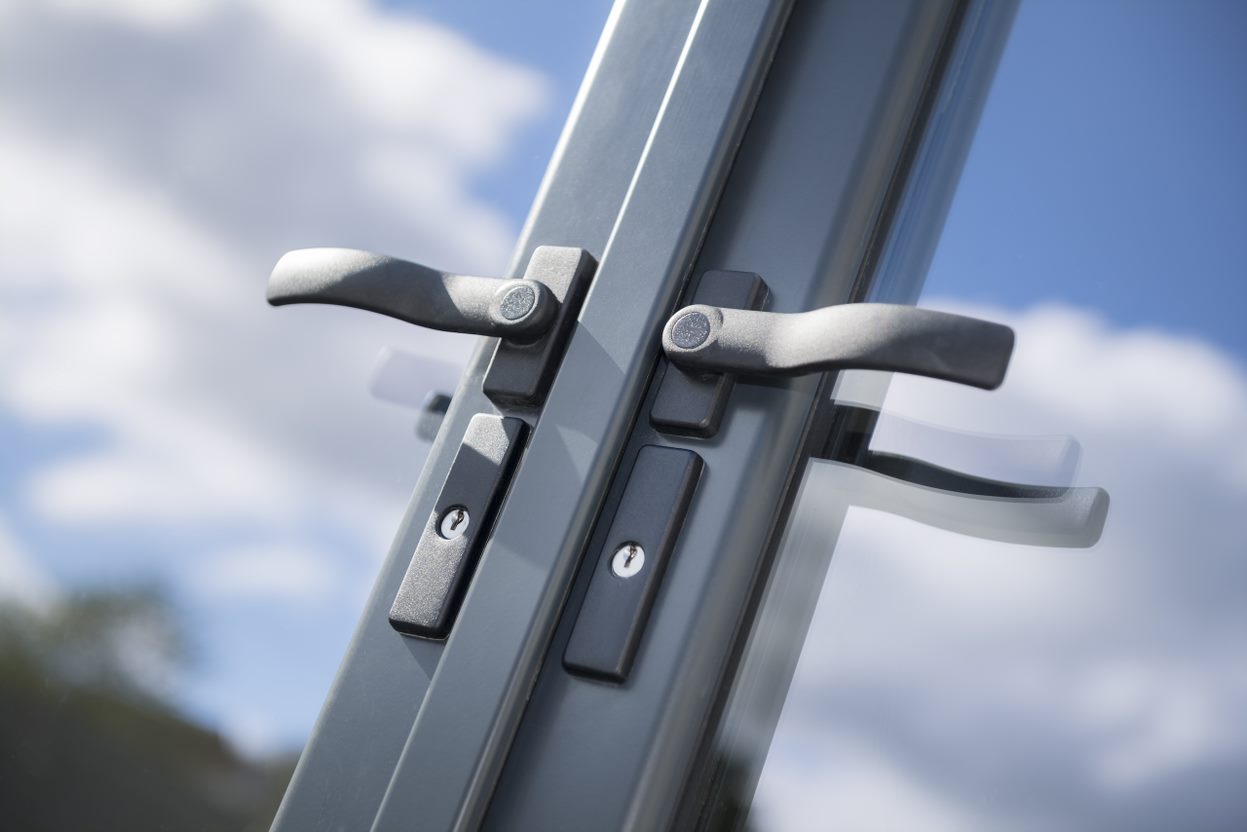
- Loose Handle: Tighten screws or replace them if they are stripped.
- Stuck Handle: Apply lubricant to the latch and spindle. Wiggle the handle carefully while turning it.
- Broken Handle: Remove the broken handle and replace it with the new one, making sure that it matches the existing screw holes.
- Corroded Handle: If the rust is small, clean it utilizing a wire brush and apply rust-resistant paint. For more severe rust, replacement might be required.
- Misaligned Handle: Check the alignment of the spindle with the latch and change as needed.
6. Reassemble the Handle
- As soon as all essential repairs are made, reattach the handle by moving it back onto the spindle and securing it with screws.
- Guarantee that the decorative plate remains in location if applicable.
7. Check the Handle
- Gently evaluate the handle to ensure it's working properly. Open and close the door several times to confirm that the issue is dealt with.
Maintenance Tips to Prevent Future Issues
Preventive maintenance can go a long method in extending the life of residential door handle repair handles. Here are some tips:
- Regular Inspection: Conduct regular checks to ensure everything functions smoothly.
- Dust and Clean: Regularly tidy door handles to prevent rust and rust.
- Tighten up Screws: Make a practice of checking and tightening screws to avoid loosening gradually.
- Usage Proper Lubrication: Use a silicone-based lube instead of WD-40, as it does not draw in dust and dirt.
- Change Damaged Handles Promptly: Addressing problems early can avoid more extreme problems later on.
FAQ
Q1: How do I understand if my door handle requirements to be replaced?A1: If the handle is broken, significantly corroded, or can not be fixed through tightening up, cleaning, or lubrication, it most likely needs to be changed.
Q2: Can I fix a stuck residential door handle repair handle myself?A2: Yes, most stuck handles can be fixed by using lube and changing any misaligned components. Q3: What kind of lubricant should I use for
door handles?A3: It is suggested to utilize a silicone-based lube, as it offers long-lasting protection without drawing in dust or dirt. Q4: How frequently must I inspect my door handles?A4: Inspecting your door handles every couple of months is an excellent practice to
capture any concerns early. Fixing door handles may seem intimidating initially, however with a little understanding and the right tools, anyone can tackle the job with confidence
. By following the laid out steps, house owners can not just fix their door handles however likewise keep their overall performance and appearance. Regular maintenance and timely repairs will guarantee that door handles remain in good condition, enhancing both the convenience and security of a home.
- 이전글대구 전국 어디서나 믿고찾는 남성건강전문몰, 파워약국 26.03.29
- 다음글럭스비아 발기부전, 근본적인 해결책을 찾고 계신가요 26.03.29
댓글목록
등록된 댓글이 없습니다.