Understanding Artificial Grass: A Modern Solution for Green Spaces
페이지 정보

본문
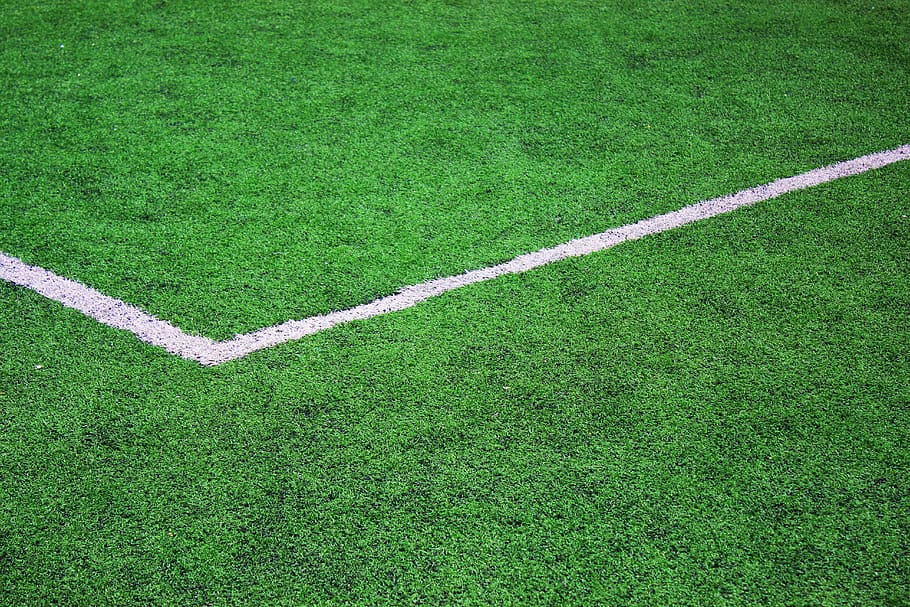 Artificial grass, often referred to as synthetic turf, has revolutionized how we think about lawns, sports fields, and outdoor aesthetics. Unlike natural grass, which requires regular watering, mowing, and care, artificial grass offers a durable, low-maintenance alternative that stays green year-round. This text explores what artificial grass is, how it works, and why it has become a popular choice across homes, commercial spaces, and sports arenas.
What Is Artificial Grass?
Artificial grass is a surface made from synthetic fibers designed to look and feel like natural grass. It is commonly constructed from materials such as polyethylene, polypropylene, or nylon. These fibers are tufted or woven into a backing material, often with infill granules added to provide cushioning and stability. It’s engineered to mimic the appearance and texture of real grass, making it a visually appealing option wherever greenery is desired without the upkeep.
Key Benefits and Practical Uses
One of the most compelling advantages of artificial grass is its minimal maintenance. It doesn’t need watering, fertilizing, or mowing, which conserves water, saves time, and reduces gardening costs. Additionally, it remains lush and vibrant regardless of weather conditions or heavy foot traffic. Sports fields benefit greatly from synthetic turf because it provides a consistent playing surface that can withstand intense use and varying climates.
Artificial grass is also allergy-friendly and free from the dirt and mud associated with natural lawns, making it ideal for children and pets. Moreover, technological advances have improved its drainage systems and UV resistance, ensuring longer-lasting quality.
Environmental Considerations
Though artificial grass conserves water and eliminates chemical use, it is made from plastics and thus raises questions about environmental impact. Responsible installation and recycling initiatives are essential for minimizing negative effects. In some regions, newer types of eco-friendly synthetic turf incorporate recycled materials or biodegradable components, reflecting ongoing efforts to balance convenience with sustainability.
Conclusion
Artificial grass presents a versatile and practical alternative to natural lawns, blending convenience with aesthetic appeal. If you liked this write-up and you would like to obtain even more information regarding synthetic grass penrith kindly browse through our web page. While it offers clear benefits in maintenance and durability, weighing its environmental footprint is important when considering installation. As innovations continue to evolve, artificial grass is poised to play an increasingly significant role in landscaping and sports, offering a green solution tailored to modern needs and lifestyles.
- 이전글trip scan 26.01.04
- 다음글Your Ultimate Webtoon Destination Starts Here 26.01.04
댓글목록
등록된 댓글이 없습니다.