Breaking Down Barriers: How Your AirPods Became a Real-Time Translator
페이지 정보

본문
Here is a blog post exploring the concept and functionality of using Apple AirPods for translation.
Picture this: You’re sitting in a small café in Tokyo, holding a menu that looks like abstract art. You nervously glance at the waiter, who smiles and asks for your order in rapid-fire Japanese. In the past, you’d fumble for your phone, open a clunky translation app, and hold it awkwardly between you.
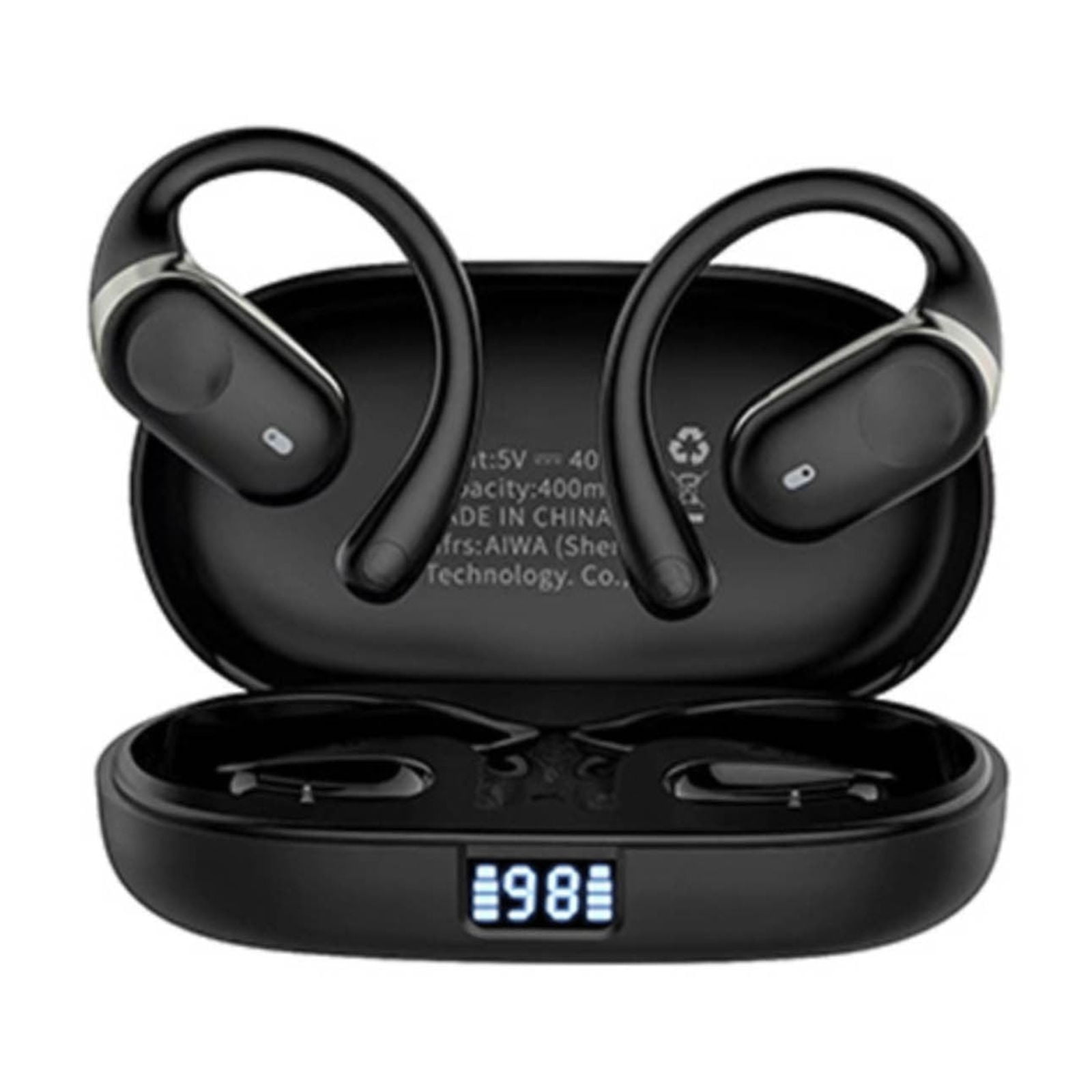
But now, you simply look at him, speak naturally, and your iPhone translates your English into Japanese right into your ear. When he replies, you hear his voice in English.
This isn't a scene from a sci-fi movie; it’s the reality of Apple’s Live Translation features. If you own a pair of AirPods (specifically the newer models) and an iPhone, you are carrying a powerful translation device right in your pocket.
Here’s how it works, how to set it up, and why it’s a game-changer for travelers.
The Magic Behind the Earbuds
Apple didn't necessarily release a "Translate Earbud" as a standalone product. Instead, they integrated translation deeply into the iOS ecosystem. Using Conversation Awareness and Live Translation, your AirPods act as an extension of your iPhone’s processing power.
Here are the two main modes you need to know:
1. Face-to-Face Conversation
This is the most intuitive mode. When you are talking to someone in real life, your iPhone listens to their speech, translates it, and sends the audio directly to your AirPods. When you speak, the phone translates your voice and plays it through the phone's speaker (or can play it through the AirPods if you want a private listening experience for the other person).
2. Media Translation
While this feature is currently rolling out for specific content (like YouTube videos or podcasts), the goal is clear: real-time subtitle generation in your ears. Imagine watching a foreign film without reading a single line of text on the screen; the audio is seamlessly dubbed into your language.
Compatibility: Which AirPods Do You Need?
To get the full "translator in your ear" experience, not just any old headphone will do. You need the processing power of the H2 chip found in the latest models.
The Gold Standard: AirPods Pro (2nd generation) and AirPods 4 (with Active Noise Cancellation).
- These models support Voice Isolation, which cleans up the audio before sending it to Apple’s servers. This means background noise (like that busy Tokyo café) is filtered out, so the translation is more accurate.
- They also feature Conversation Awareness, which automatically lowers the volume of your music and focuses the microphones on the person speaking to you.
Older Models: AirPods Pro (1st gen) and AirPods Max are also compatible, though you may experience slightly slower processing speeds compared to the H2 chips.
How to Set Up Live Translation with AirPods
The setup is surprisingly simple, provided you have the right devices.
Prerequisites:
- iPhone: iPhone 15 Pro or iPhone 16 series (A17 Pro or A18 chip required for on-device processing).
- iOS: iOS 18 or later.
- Language: Currently supports English, French, German, Italian, Portuguese, Spanish, Chinese (Mandarin), and Japanese (subject to updates).
The Setup:
- Connect Your AirPods: Ensure your AirPods are connected to your iPhone and updated to the latest firmware.
- Update Your iPhone: Go to Settings > General > Software Update and install iOS 18+.
- Enable the Feature:
- Go to Settings > AirPods.
- Scroll down to Live Translation (or "Live Captions" depending on your region).
- Toggle it on.
- Using the Translate App:
- Open the built-in Translate app on your iPhone.
- Select the languages you want to translate between (e.g., English ↔ Spanish).
- Tap the "Play Audio" settings and ensure output is set to your AirPods.
- When the other person speaks, the iPhone listens and plays the translation in your ear immediately.
Tips for Best Results
While the technology is impressive, it works best when you follow these guidelines:
- Find Good Lighting: If you are using the "Auto" mode where the iPhone uses visual cues to detect when someone is speaking, lighting helps.
- Speak Clearly: This isn't Alexa or Siri; you need to speak clearly and at a moderate pace, especially in noisy environments.
- Use "Conversation Mode": In the Translate app, tap the "Conversation" tab. This turns your iPhone screen into a dedicated display, showing the conversation history so you don't miss a beat.
- Privacy First: Apple processes much of this data on-device, meaning your conversations aren't always sent to the cloud. However, for less common languages, it might use server-side processing. Always check the privacy prompt when you first enable it.
The Limitations (A Reality Check)
As with any AI tech, it's not perfect yet.
- Nuance and Slang: Idioms and local slang often get translated literally, which can be confusing. "It's raining cats and dogs" might sound very strange to a foreigner if literally translated!
- Latency: While fast, there is a slight delay (usually less than a second) as the iPhone processes the audio. It’s fast enough for a chat, but awkward for a rapid-fire argument.
- Battery Drain: Using real time translation-time translation requires your microphone and processor to be active constantly. Keep a battery pack handy.
The Future of Travel
Apple’s integration of translation into AirPods is more than a party trick; it’s a step toward a world where language barriers are frictionless. For travelers, it offers a sense of confidence that was previously reserved for polyglots.
So, the next time you pack your bags, don't forget to pack your AirPods. They might just be the most essential travel accessory you own.
Have you tried using AirPods for live translation? Did it help you order that tricky meal, or did it result in a funny misunderstanding? Let us know in the comments below!
- 이전글진짜탐정사무소 - 서울, 부산, 대구, 인천, 광주, 대전, 울산, 수원, 창원 흥신소 26.02.11
- 다음글문명의 충돌과 조화: 역사의 교훈 26.02.11
댓글목록
등록된 댓글이 없습니다.