The Critical Impact of Automation on Today’s Printing Workflows
페이지 정보

본문
Automation now serves as a foundational element in modern print shop workflows, revolutionizing operational efficiency and output quality. In the past, print shops relied heavily on manual processes for job intake, file preparation, press setup, and finishing. These tasks were time consuming and prone to human error, leading to delays and wasted materials. Today, automation tools streamline nearly every stage of production, enhancing throughput and quality while minimizing waste and labor spend.
One of the most significant impacts of automation is in job submission and prepress. Customers can now upload files through online portals, where automated systems check for resolution, color profiles, bleed settings, and font issues before the job even reaches the printer. This reduces the need for back and forth communication and prevents costly mistakes on the press. Validated jobs are instantly assigned to the appropriate workflow path, saving valuable time.
On the production floor, computer-controlled presses respond instantly to sensor data to fine-tune color and registration based on sensor feedback. This ensures consistent quality across large runs and minimizes waste during startup. CNC-guided cutters and folders execute exact digital templates, eliminating manual measurement errors. Automated post-press lines adapt dynamically to varying job requirements without human input, allowing for faster turnaround on complex orders.
Inventory and workflow management have also benefited. Smart inventory platforms monitor supply levels continuously, triggering reorders when levels drop below a set threshold. Production planners sync with CRM and چاپ آداک ERP tools to maximize equipment utilization to prioritize jobs based on deadlines and complexity. This level of coordination allows staff to focus on higher value tasks like customer service and quality control rather than repetitive administrative duties.
Perhaps the greatest advantage of automation is scalability. Businesses scale output without hiring additional staff. Minor orders are consolidated intelligently for optimal throughput, and Urgent requests are seamlessly integrated into the workflow. Automation also supports customization at scale, making it feasible to produce personalized print campaigns featuring individualized text and imagery.
While some worry that automation will replace human workers, the reality is that it enhances their capabilities. Staff shift from manual labor to strategic roles involving troubleshooting, innovation, and customer engagement.
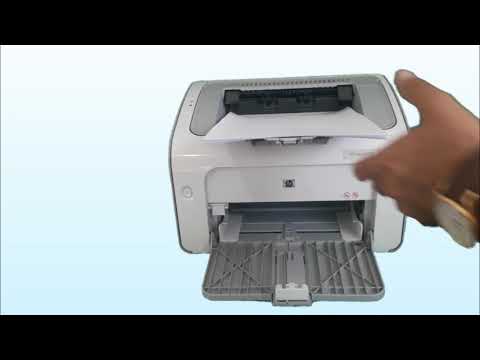
Investing in employee training for automated workflows is a critical component of growth strategy.
As technology continues to evolve, automation will only become more integrated into print workflows. Shops that embrace these tools are better positioned to compete in a fast moving market. They are delivering higher quality, faster service, and greater value to their customers. The future of printing is not about doing more with less—it’s about elevating standards with advanced, adaptive technology.
- 이전글How to Optimize Print Layouts for Cost Efficiency 25.12.18
- 다음글Green Ink Solutions: Environmentally Smart Inks for Today’s Printers 25.12.18
댓글목록
등록된 댓글이 없습니다.