How Puzzle Patterns Reveal Your Mental Advantages and Gaps
페이지 정보

본문
Solving puzzles isn’t just entertainment; it’s a diagnostic tool for mapping your mental strengths and blind spots
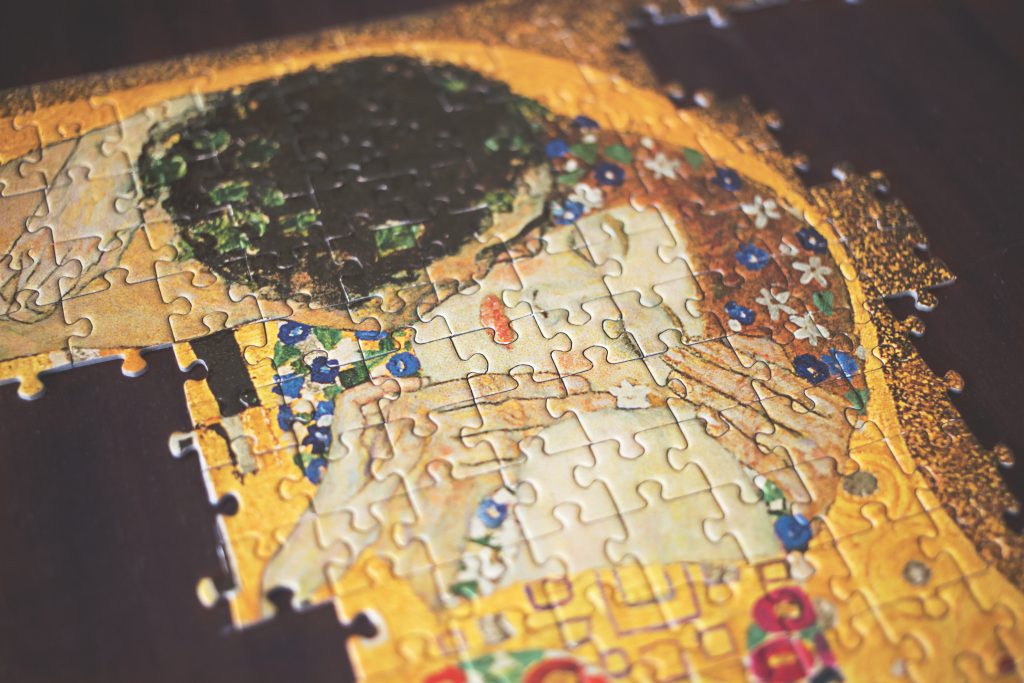
From word-based challenges to spatial arrangements, your puzzle-solving behavior reflects deep-seated cognitive tendencies
Keeping a record of your puzzle outcomes allows you to detect recurring patterns: what comes easily versus what feels like a struggle
Your puzzle history isn’t just a record of wins and losses—it’s a blueprint for understanding your mental wiring
Begin with a simple, consistent log: note the puzzle type, completion time, whether hints were required, and how often you made repeated errors
Are you consistently faster with number-based challenges than with pattern-matching grids?
This could mean you excel in linguistic analysis but need to strengthen your ability to mentally rotate or visualize objects
If you’re quick with logic grids but frequently overlook small details, your processing speed may outpace your attention to detail
Patterns in failure are just as informative as patterns in success
For example, repeatedly skipping steps in logic puzzles suggests you jump ahead before fully processing information
Your reliance on past solutions might be limiting your capacity for flexible thinking
Use these insights to design a personalized puzzle regimen
Strengthen your ability to spot hidden structures by regularly engaging with puzzles that force you to see beyond the obvious
Challenge yourself with countdown modes or real-time puzzle apps to sharpen response speed
You’re not trying to become a puzzle champion—you’re trying to understand how your mind works best
Puzzle performance data also shines a light on how external conditions influence your focus and accuracy
Are you sharper in the morning after coffee, or more patient in the evening after a walk?
These observations allow you to optimize when, where, and how you practice for maximum cognitive return
Ultimately, analyzing puzzle data isn’t bog about puzzle competition, rankings, or high scores
Your puzzle history is a living journal of your cognitive identity
With consistent reflection, this awareness extends far beyond the puzzle grid
And that’s how a simple pastime becomes a lifelong tool for mental mastery
- 이전글It is All About (The) 2 Weeks Vaping No Smoking 26.02.02
- 다음글Explorez les plaisirs interdits avec ces techniques secrètes 26.02.02
댓글목록
등록된 댓글이 없습니다.